
2026–2027 Brand PIP Updates Explained Why This Is a Critical Issue for Hotel Owners
As the U.S. hospitality industry moves into 2026 and 2027, a new cycle of Brand Property Improvement Plan (PIP) updates is reshaping renovation strategies nationwide.
These are not minor refreshes. They represent mandatory compliance standards that directly impact brand affiliation, competitiveness, and long term asset value.
For hotel owners, early preparation is no longer optional. It is a strategic requirement.
What Is Driving the 2026–2027 PIP Cycle
1. Rising Guest Expectations
Modern travelers expect more than cleanliness. They demand modern aesthetics, functional layouts, integrated technology, and durable finishes.
Design quality increasingly influences booking decisions, online reviews, and return rates.
2. Brand Repositioning and Prototype Updates
Hotel brands are updating prototypes to maintain competitive positioning. Updated PIP documents frequently require
New casegoods packages
Upgraded soft seating
Revised lighting concepts
Enhanced bedding standards
Integrated charging and work surfaces
These changes ensure brand consistency across all properties.
3. Sustainability Requirements Becoming Mandatory
Sustainability is now embedded in brand standards. Many 2026–2027 PIPs require
Low VOC finishes
Energy efficient lighting
Environmentally responsible materials
Long lifecycle furniture solutions
Hotels that ignore these standards risk falling behind both brand and guest expectations.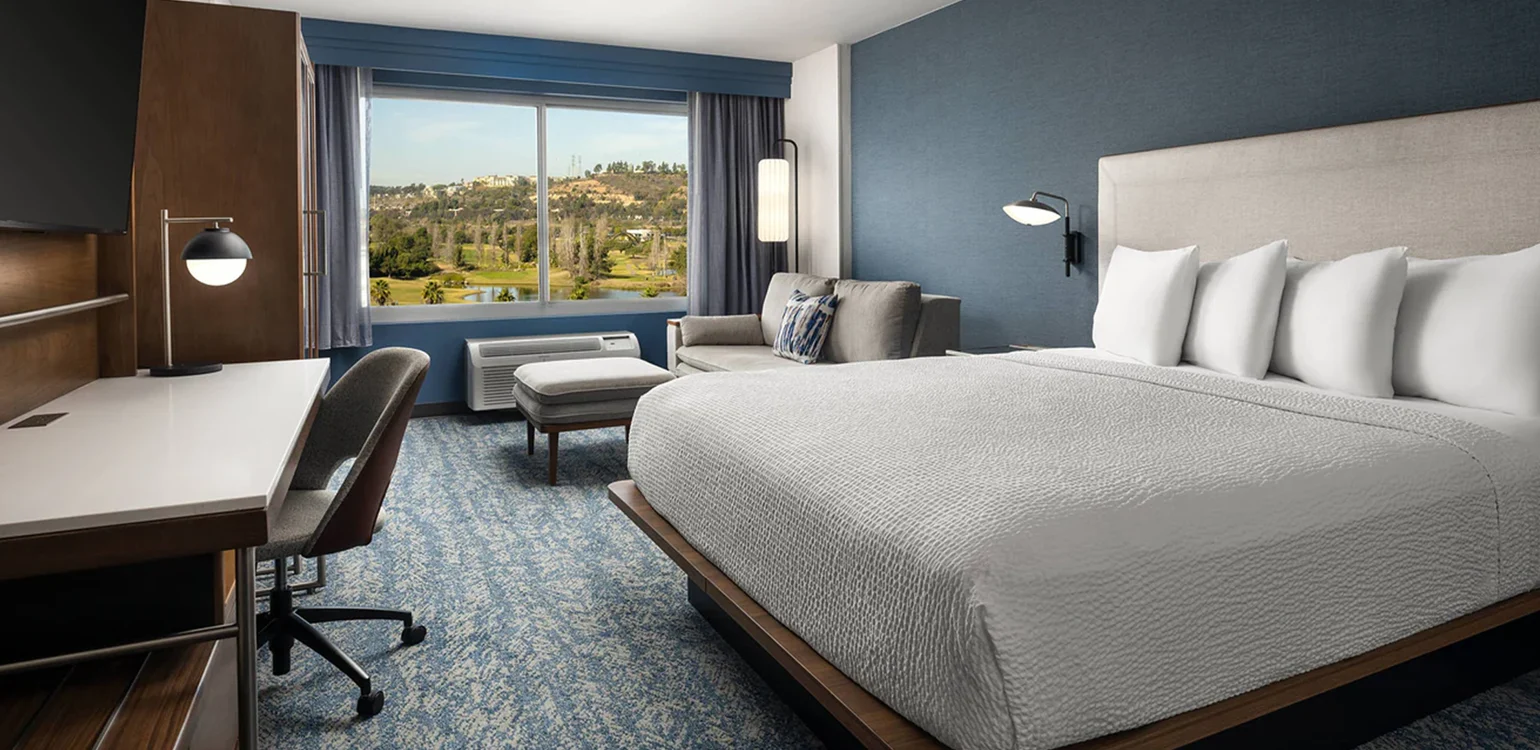
Key Focus Areas in 2026–2027 PIPs
1. Guestroom Modernization
Guestrooms remain the highest priority. Brands require updated furniture packages that balance durability, design, and functionality.
Integrated charging, ergonomic seating, and multi use surfaces are becoming baseline standards.
2. Lobby and Public Space Redesign
Traditional layouts are being replaced with flexible, modular, and social environments.
Furniture must support adaptability and high traffic usage while aligning with updated brand prototypes.
3. Bathroom Enhancements
Simplified finishes, refreshed vanities, improved lighting, and water efficient fixtures are becoming standard requirements.
Why Delaying PIP Execution Is Risky
Failing to complete PIP upgrades on time can result in
Brand penalties
Reduced franchisor support
Lower guest satisfaction scores
Declining occupancy and ADR
Renovated properties consistently outperform outdated competitors. In competitive U.S. markets, design quality directly influences revenue performance.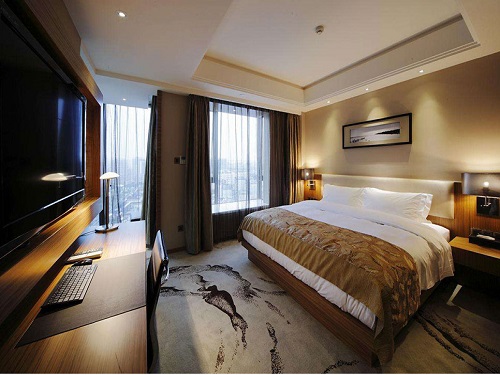
A Strategic Approach to 2026–2027 PIP Execution
1. Early Budgeting and Phased Planning
Planning early allows cost control and reduces operational disruption.
2. Brand Compliant Specifications
Strict alignment with updated brand standards prevents costly redesigns.
3. Efficient Manufacturing and Logistics Coordination
A structured supply strategy ensures schedule stability and cost control.
A modular FF and E strategy significantly reduces downtime and labor cost while maintaining consistency across properties.
TopIn Industry provides comprehensive, brand compliant FF and E solutions across the United States, helping hotel owners execute PIP projects efficiently and competitively.
Conclusion
The 2026–2027 PIP cycle represents one of the most significant renovation periods in recent years.
Hotel owners who plan early and adopt strategic procurement approaches will protect asset value and strengthen long term profitability.
Now is the time to prepare.

